Pillar guide
Solar in Colorado
Colorado has strong year-round sunlight, but climate, utility rules, and roof exposure to hail all matter. Here is what Front Range homeowners should think about before signing anything.
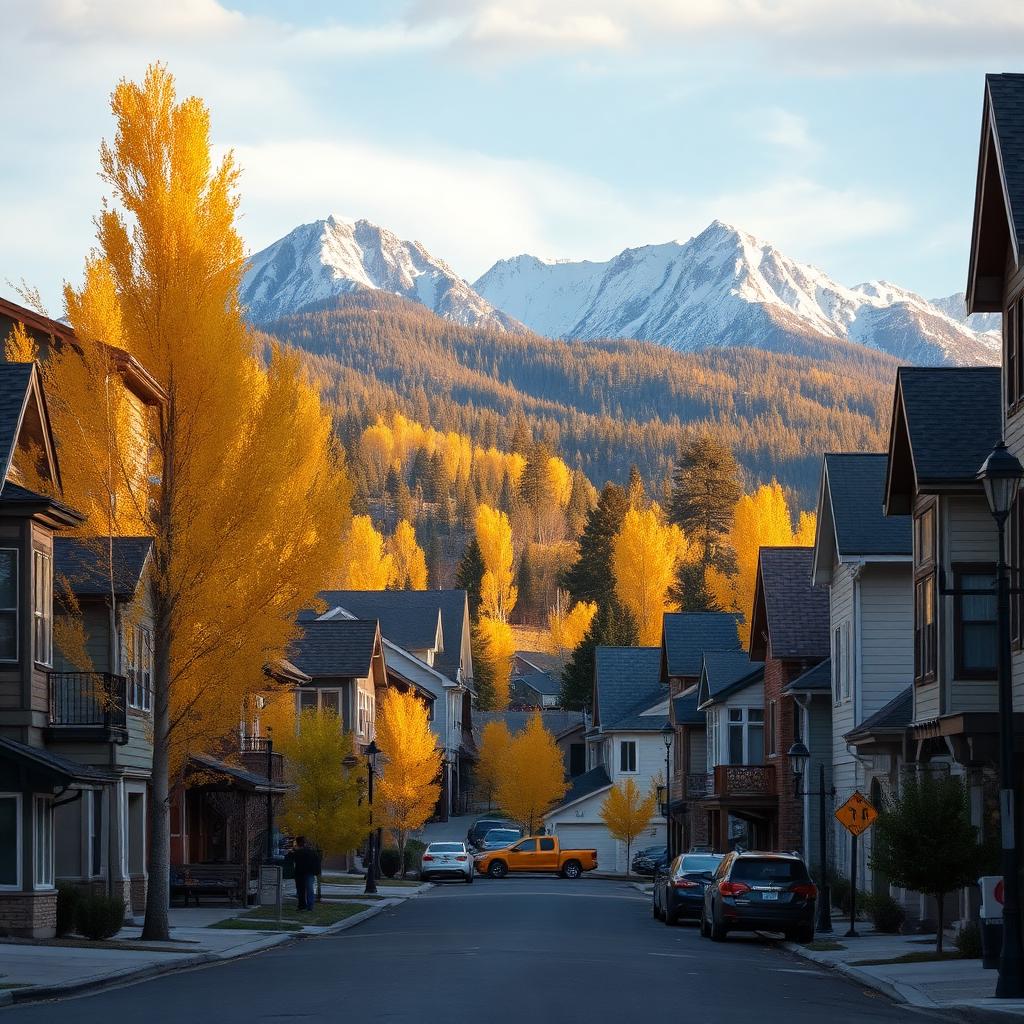
Colorado sunlight and altitude
The Front Range receives roughly 300 days of measurable sunshine per year — one of the strongest solar resources in the continental United States. High altitude means thinner atmosphere and slightly stronger solar irradiance than lower-elevation regions at the same latitude. Cool ambient temperatures during much of the year also help panel efficiency, because panels lose output as they heat up. Hot desert climates like Phoenix or Las Vegas do not necessarily produce more per installed watt than Colorado's alpine sunlight; annualized production per kW along the Front Range typically lands between 1,450 and 1,650 kWh — competitive with almost anywhere in the country.
Hail exposure
Colorado's Front Range sees severe hail more often than most of the country — the corridor from Fort Collins to Colorado Springs is one of the most active hail regions in North America. Modern residential solar panels are tested under UL 61730 and IEC 61215 impact standards — typically a 1-inch (25 mm) ice ball at ~50 mph. Large hail can still damage panels, but it also damages roofs, siding, gutters, and vehicles, so the marginal risk of adding a panel array is smaller than most people assume. What matters far more than the panel spec sheet is:
- How your homeowner's insurance policy treats the array in a claim.
- Whether the installer will file a claim on your behalf and manage remove-and-reinstall.
- Whether the panels have supplemental hail testing (some brands pass 2- or 3-inch ice-ball tests).
See our solar panels page for panel selection detail.
Snow and winter production
Panels produce less on cloudy, short winter days, and snow can temporarily reduce output to zero. In most Front Range installations, snow slides off tilted panels within a day or two — the panels are dark, absorb sunlight, and warm the surface even in cold air. What matters for the financial picture is annual production, not any single month. A well-designed Colorado system typically produces 60–75% of its annual output between April and September, and the balance across the winter months.
Utility rules and net metering
Rules vary by utility, and your utility often matters more than your city when it comes to solar economics. Xcel Energy, CORE Electric Cooperative, Black Hills Energy, and municipal utilities like Colorado Springs Utilities and Fort Collins Utilities each have their own interconnection process, net-metering credit structure, and system-size limits. Two neighbors on opposite sides of a boundary line can have very different solar payback periods. Visit our electric bill page to see what to look for.
HOAs and Colorado law
Colorado state law (C.R.S. §38-30-168) generally prevents HOAs from outright prohibiting residential solar, but reasonable aesthetic and placement conditions are permitted. In practice, this means an HOA can usually require panels to be on rear or side-facing roof planes when feasible, but cannot deny an installation that meets its written architectural guidelines. Requirements vary by community and should be reviewed on a case-by-case basis before signing a solar contract.
Local permitting
Each city, county, and utility has its own permit and inspection process. A qualified installer manages these steps as part of the installation, but timelines vary by jurisdiction and season — Denver County and Xcel interconnection queues have historically been the longest along the Front Range, often adding 4–8 weeks to a project. Smaller municipalities and rural electric co-ops can be much faster.
Incentives
Federal, state, and utility-level incentives change over time. This site does not publish specific incentive amounts or eligibility — those should be verified with a qualified tax professional and with your utility at the time of purchase. As a general orientation: the federal Residential Clean Energy Credit, Xcel's Solar*Rewards production incentive (when available), and property-tax exemptions for residential renewable energy are the three most commonly referenced Colorado programs.
See how these factors apply to your home
Last reviewed July 2026. This page provides general educational information and is not a proposal, quote, or offer of service.