Solar panels
Solar panels, honestly explained
Panel specs matter less than sizing, layout, and warranty. Here is what to actually pay attention to when comparing proposals.
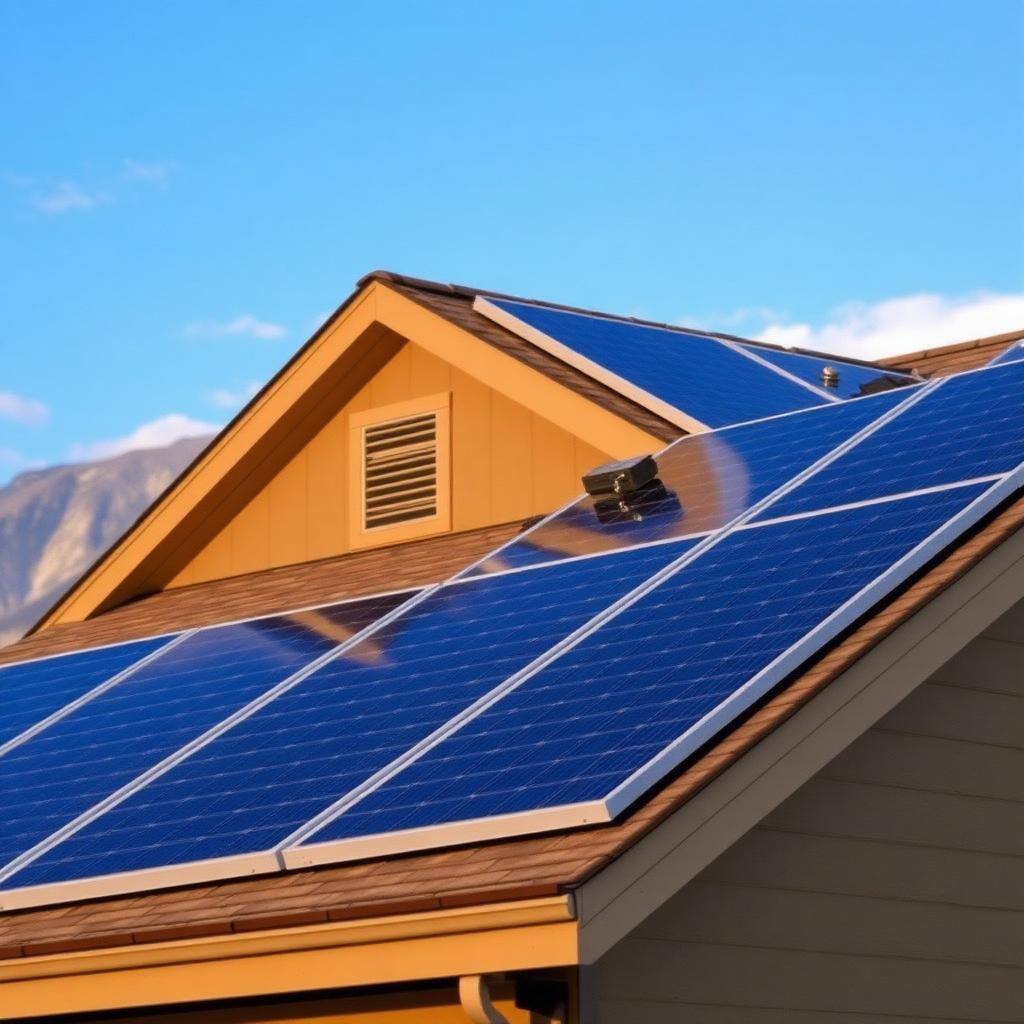
Panel wattage and efficiency
Residential panels today typically range from 400W to 450W per module, with efficiency ratings around 20–22%. Higher-wattage panels let you fit more capacity on the same roof, which matters when roof space is limited by dormers, chimneys, vents, or HOA aesthetic requirements. Efficiency differences of a few percentage points rarely change the financial picture as much as system size and shading do — a slightly less efficient panel on an unshaded rear roof usually beats a premium panel on a partially shaded roof.
Degradation
Solar panels lose a small amount of output each year — typically about 0.4–0.6% annually for premium panels, and up to 0.8% for budget panels. A 25-year performance warranty commonly guarantees the panel produces at least 85–92% of its original nameplate output at year 25. Real-world Colorado systems installed in the mid-2010s are generally tracking better than their warranted degradation curves.
Warranties
- Product warranty: covers manufacturing defects, typically 12–25 years.
- Performance warranty: guarantees minimum output over time, typically 25 years.
- Workmanship warranty: covers the installer's labor and roof penetrations. Varies widely (5–25 years) and is often the most meaningful warranty in practice, because it is the one you will actually call.
- Inverter warranty: typically 10 years for string inverters, 25 years for microinverters.
Hail testing
Certified panels pass an impact test with a 1-inch (25 mm) ice ball at ~50 mph under UL 61730 and IEC 61215. Colorado hailstorms regularly produce larger stones — 2 to 3 inches, occasionally larger. Several manufacturers now offer enhanced hail testing at 2- or even 3-inch impact ratings. In practice, what matters most for hail resilience is:
- Panel glass thickness (3.2 mm tempered glass is standard; some premium panels use 4 mm).
- The mounting angle (steeper tilt tends to deflect impacts).
- How your installer handles a hail claim — inspection, insurance filing, and remove-and-reinstall.
Panel placement
South-facing roof surfaces produce the most energy in Colorado, but east and west facings are viable — especially with time-of-use rate plans that reward late-afternoon production. North-facing slopes are generally not usable. Shading from trees, chimneys, vent stacks, and neighboring structures reduces output significantly, and a single shaded panel can drag down an entire string inverter's output if microinverters or optimizers are not used. Placing panels on the rear (back-side) roof plane keeps the street-facing view of your home clean and is often preferred by HOAs — most Front Range communities explicitly require this when the rear plane has sufficient sun exposure.
Inverter selection
Three architectures are common in Colorado residential systems: a single string inverter (cheapest, worst shading tolerance), power optimizers with a central inverter (middle ground), and microinverters (one per panel, best shading tolerance and per-panel monitoring, most expensive). For most Colorado homes with any tree cover or roof complexity, microinverters or optimizers are worth the premium.
See what panel layout your roof supports
Last reviewed July 2026. This page provides general educational information and is not a proposal, quote, or offer of service.