Installation process
What to expect from start to finish
A typical residential solar project in Colorado runs 6–12 weeks from signed agreement to system turn-on, though timelines vary by utility and jurisdiction.
Site assessment
An installer reviews roof condition, orientation, shading, electrical panel capacity, and utility interconnection rules for your address.
System design and proposal
A design proposal lays out the panel layout, expected annual production, warranties, financing options, and total cost. You review, ask questions, and decide.
Permits and utility approval
Your installer submits designs to your city, county, and utility for permitting and interconnection approval. This step often takes the longest.
Installation
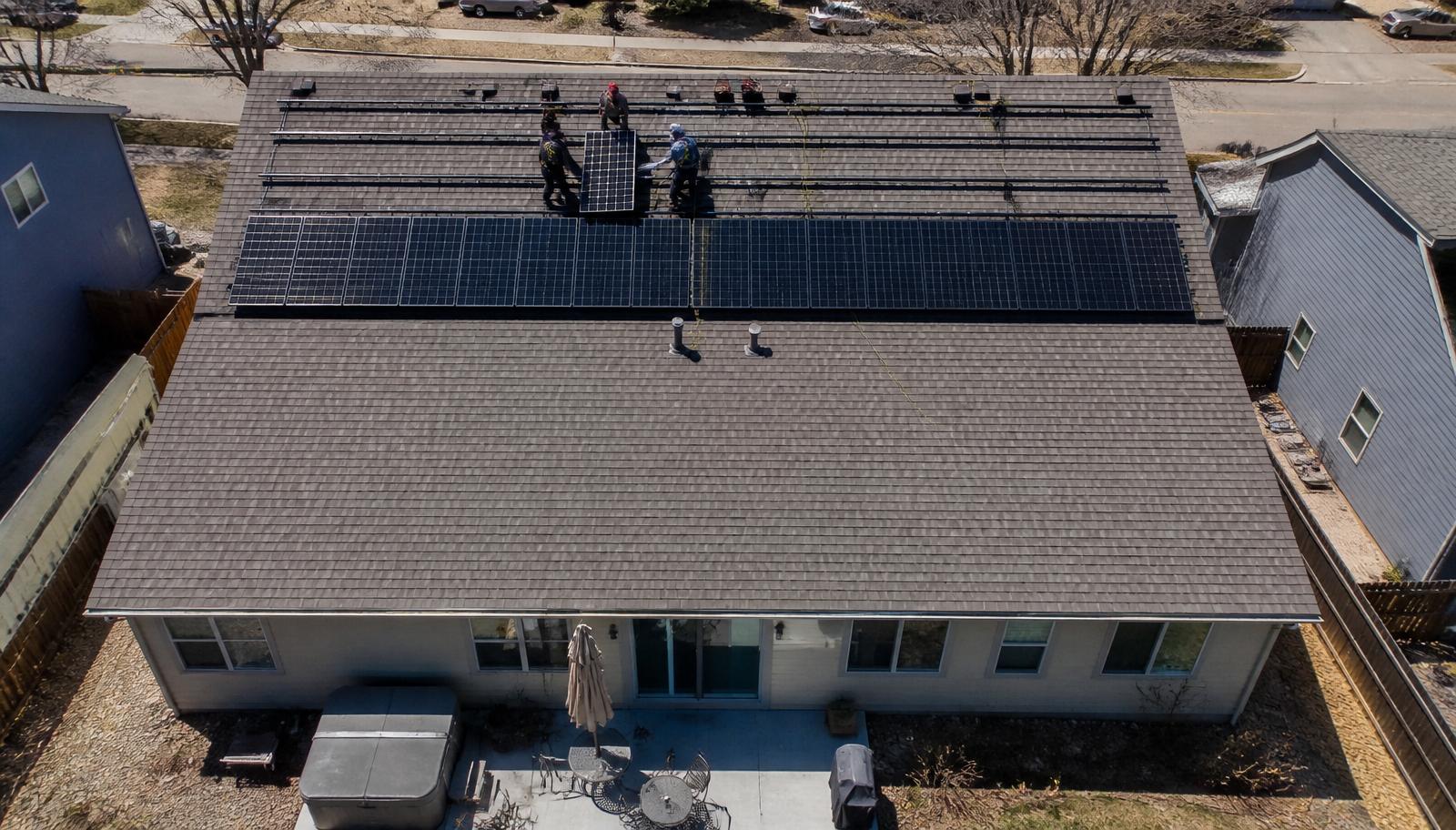
Physical installation typically takes 1–3 days. The crew mounts racking, panels, wiring, and the inverter, and installs a new production meter if required.
Inspection
City and utility inspections confirm the work meets code and interconnection standards.
Permission to operate (PTO)
Your utility issues PTO, and your system is turned on. You are producing solar power.
Monitoring and maintenance
Most systems come with production monitoring. Maintenance needs are minimal — occasional cleaning if heavily soiled, and warranty service if a component fails.
What can slow a project down
- Utility interconnection backlogs
- City permitting delays
- Electrical panel upgrades required for interconnection
- HOA architectural review timelines
- Weather (winter storms during install)
Talk through the process for your specific address
Last reviewed July 2026. This page provides general educational information and is not a proposal, quote, or offer of service.